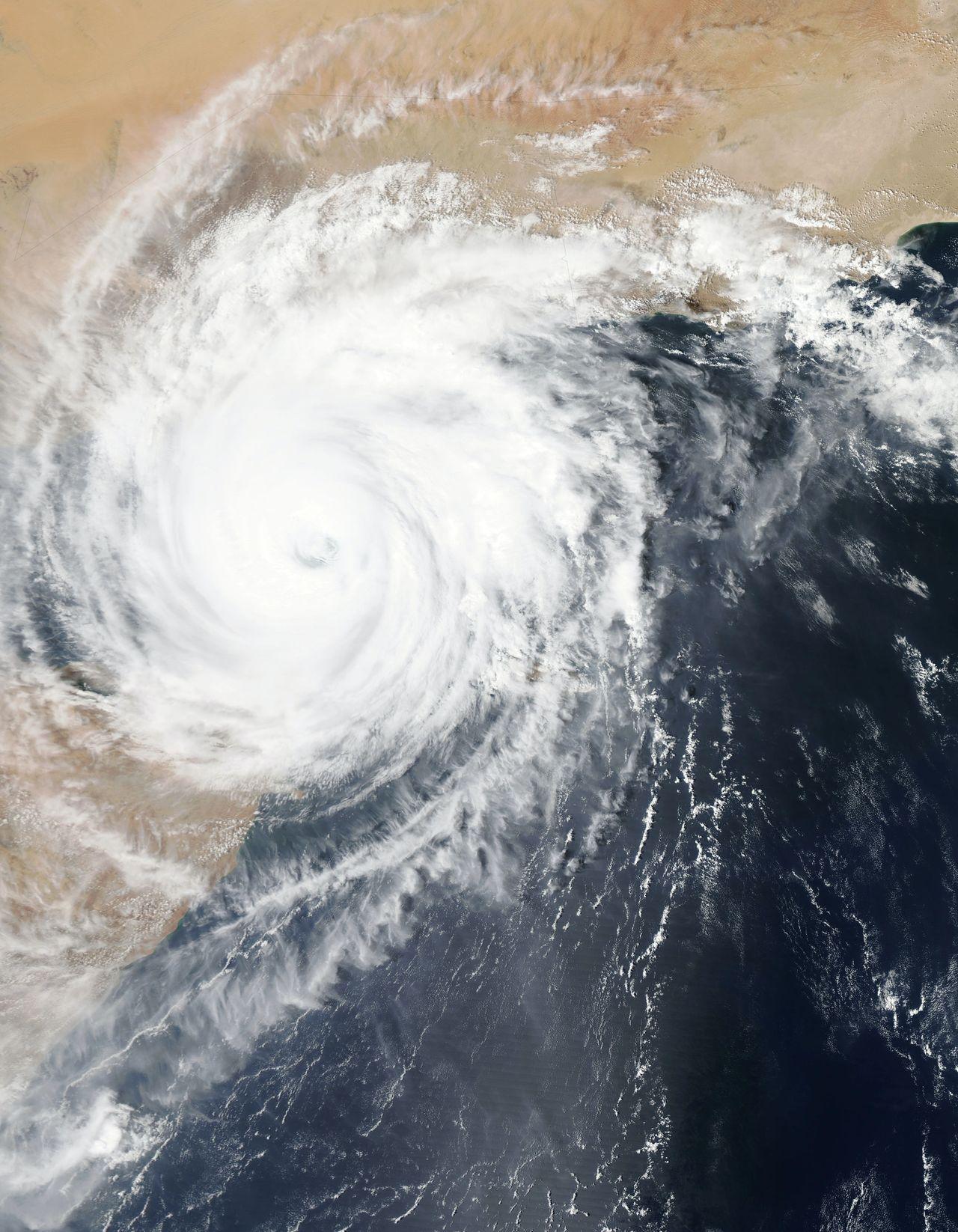
Hurricane Idalia Approaches Florida's West Coast and Panhandle as a Category 2 Storm: Medical Preparedness in Focus
As Hurricane Idalia bears down on Florida's west coast and panhandle as a strengthening Category 2 storm, healthcare facilities across the state are activating emergency protocols and medical professionals are urging residents to prepare not just for property damage, but for the health challenges that accompany major storms.
Hospital Preparedness
Hospitals across the projected path have activated their emergency operations centers, secured medical supplies, and arranged for additional staffing. Facilities in evacuation zones have begun transferring vulnerable patients to inland locations, while those outside the direct path are preparing to receive surge patients from affected areas.
In Palm Beach County, while the direct impact is expected to be minimal, hospitals are preparing for potential effects from the storm's outer bands and the possibility of receiving patients evacuated from harder-hit regions.
Health Risks During Hurricanes
The health risks associated with hurricanes extend far beyond the immediate dangers of wind and flooding. Power outages can disrupt the cold chain for insulin and other temperature-sensitive medications. Patients on home oxygen, dialysis, or other electric-powered medical equipment face life-threatening situations without power. Contaminated floodwater poses risks of infection, and standing water after the storm creates breeding grounds for mosquitoes.
Preparation Checklist
Medical professionals recommend that residents prepare a minimum seven-day supply of all prescription medications, ensure they have copies of their medical records and insurance information, charge all medical devices, know the location of the nearest emergency shelter that accommodates special medical needs, and have a plan for medication refrigeration during power outages.
Residents can contact the Palm Beach County Emergency Management Division for information about special needs shelters and medical assistance during the storm.
Tags
Share This Article
Disclaimer: The information provided in this article is for educational purposes only and is not intended as medical advice. Always consult with a qualified healthcare provider before making any decisions about your health or treatment options.
Related Articles

Hurricane Season 2026 Begins June 1: A Medical Preparedness Guide for Palm Beach County
With the 2026 Atlantic hurricane season set to begin June 1, Palm Beach County residents are urged to address the medical aspects of storm preparation that are often overlooked until it is too late.

South Florida's Heat Preparedness: Lessons from Last Summer's Record Temperatures
After 2025's record heat drove a 60 percent spike in heat-related ER visits, Palm Beach County launches enhanced preparedness programs for the coming summer.

Water Quality Concerns Rise as Lake Okeechobee Discharges Increase
Increased Lake Okeechobee discharges raise blue-green algae concerns in Palm Beach County waterways, prompting health advisories and safety guidance for residents.