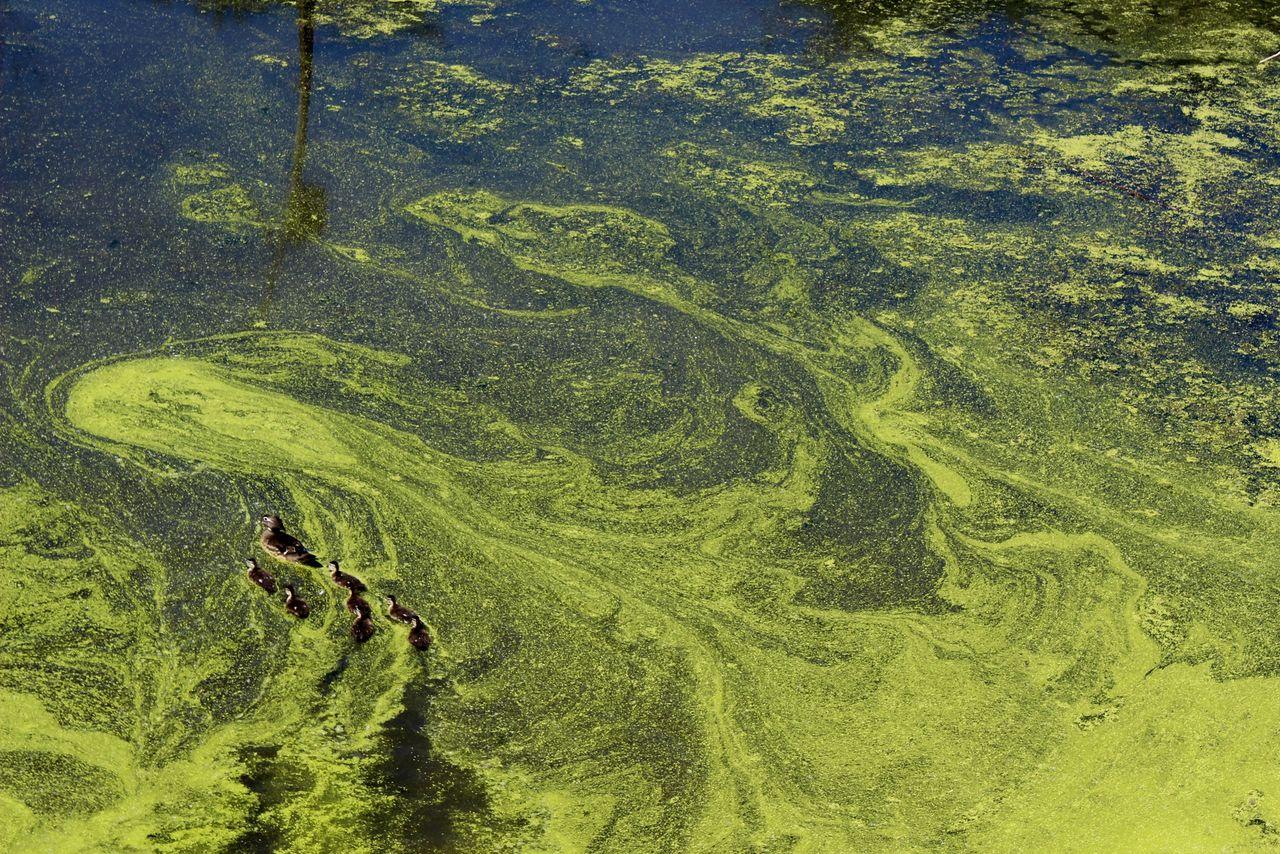
Blue-Green Algae Alert: Palm Beach County Issues Water Quality Warnings for Lake Okeechobee
Palm Beach County health officials have issued a water quality warning following the detection of elevated levels of blue-green algae (cyanobacteria) in waterways connected to Lake Okeechobee. The advisory urges residents to avoid contact with affected water bodies and to take precautions to protect themselves, their children, and their pets.
The Health Risks
Blue-green algae can produce potent toxins known as cyanotoxins, which pose serious health risks to humans and animals. Exposure can occur through skin contact with contaminated water, ingestion, or inhalation of water droplets near bloom areas. Symptoms of exposure include skin rashes, eye irritation, nausea, vomiting, diarrhea, and in severe cases, liver damage and neurological effects.
Pets are particularly vulnerable, as dogs may drink contaminated water or lick their fur after swimming. Several pet fatalities have been attributed to blue-green algae exposure in Florida in recent years.
Affected Areas
The current advisory covers waterways receiving discharges from Lake Okeechobee, including portions of canals and waterways in western Palm Beach County. Residents near affected areas may notice green or blue-green discoloration of the water, a musty or foul odor, or visible surface scum.
Precautions
Health officials recommend avoiding all contact with water that appears discolored or has visible algae blooms, keeping children and pets away from affected waterways, not eating fish caught in areas with active blooms, and seeking medical attention immediately if symptoms of exposure develop.
The situation is being monitored by the Florida Department of Health and the Palm Beach County Environmental Resources Management department. Residents can check current water quality advisories on the Florida Department of Health website.
Tags
Share This Article
Disclaimer: The information provided in this article is for educational purposes only and is not intended as medical advice. Always consult with a qualified healthcare provider before making any decisions about your health or treatment options.
Related Articles

Hurricane Season 2026 Begins June 1: A Medical Preparedness Guide for Palm Beach County
With the 2026 Atlantic hurricane season set to begin June 1, Palm Beach County residents are urged to address the medical aspects of storm preparation that are often overlooked until it is too late.

South Florida's Heat Preparedness: Lessons from Last Summer's Record Temperatures
After 2025's record heat drove a 60 percent spike in heat-related ER visits, Palm Beach County launches enhanced preparedness programs for the coming summer.

Water Quality Concerns Rise as Lake Okeechobee Discharges Increase
Increased Lake Okeechobee discharges raise blue-green algae concerns in Palm Beach County waterways, prompting health advisories and safety guidance for residents.