By: Dr. Benjamin Soffer
Introduction
Inflammation is a natural response of the body to harmful stimuli, such as infections or injuries, and is an essential part of the healing process. However, chronic inflammation has been linked to a range of health issues, including heart disease, diabetes, arthritis, and even certain cancers. Emerging research suggests that adopting an anti-inflammatory diet can play a significant role in reducing chronic inflammation and promoting overall well-being. In this article, guest author and local Boca Raton Internist, Dr. Benjamin Soffer explores the benefits of anti-inflammatory diets, backed by credible sources.
Understanding Anti-Inflammatory Diets
An anti-inflammatory diet is not a fad but rather a science-backed approach to eating that focuses on selecting foods that help manage inflammation within the body. These diets often emphasize whole, nutrient-rich foods while minimizing or avoiding processed foods, refined sugars, and unhealthy fats. By promoting a balanced intake of nutrients, anti-inflammatory diets aim to reduce oxidative stress, support the immune system, and decrease chronic inflammation.
The Benefits
Reduced Risk of Chronic Diseases: Research has demonstrated a strong association between inflammation and chronic diseases like cardiovascular disease, type 2 diabetes, and certain types of cancer. A study published in the Journal of the American College of Cardiology found that adherence to an anti-inflammatory diet was associated with a lower risk of cardiovascular disease, particularly in women. 1 Joint Health and Arthritis: Inflammation plays a significant role in arthritis, leading to joint pain and stiffness. According to the Arthritis Foundation, adopting an anti-inflammatory diet rich in antioxidants and omega-3 fatty acids can help manage inflammation and potentially alleviate arthritis symptoms. 2 Gut Health: The gut plays a vital role in immune function and inflammation regulation. A review published in the journal Nutrients highlighted that anti-inflammatory diets can support a healthy gut microbiome, which in turn may help manage inflammation in the body. 3 Brain Health: Chronic inflammation has also been linked to cognitive decline and neurological disorders. A study published in the Journal of Neurology Neurosurgery and Psychiatry found that a Mediterranean diet improves cognition. 4 Mental Health: Dietary Inflammation is correlated with increased rates of depression according to a study published by Clinical Nutrition. 5
Quoting Sources
Journal of the American College of Cardiology: "Dietary Inflammatory Potential and Risk of Cardiovascular Disease Among Men and Women in the U.S." 1 Arthritis Foundation: "An anti-inflammatory diet rich in antioxidants and omega-3 fatty acids can contribute to managing inflammation and alleviating arthritis symptoms." 2 Nutrients Journal: "Beneficial Effects of Anti-Inflammatory Diet in Modulating Gut Microbiota and Controlling Obesity." 3 Journal Neurology Neurosurgery Psychiatry: "Mediterranean diet improves cognition: the PREDIMED-NAVARRA randomised trial." 4 Clinical Nutrition: "An anti-inflammatory diet as a potential intervention for depressive disorders: A systematic review and meta-analysis" 5
Understanding Anti-Inflammatory Diets
At its core, an anti-inflammatory diet emphasizes consuming foods that possess the potential to counteract inflammation. The diet is characterized by a focus on whole, minimally processed foods rich in antioxidants, omega-3 fatty acids, and polyphenols. These nutrients are known for their anti-inflammatory properties and their ability to regulate the body's inflammatory responses.
The Experts Weigh In
Dr. Frank Hu, a professor at the Harvard T.H. Chan School of Public Health, has extensively studied the impact of diet on chronic diseases. According to Chan, diet plays a crucial role in modulating inflammation. Foods high in refined sugars and saturated fats can trigger the release of pro-inflammatory molecules, whereas foods like fruits, vegetables, and whole grains have anti-inflammatory effects.
Dr. Barry Sears, a biochemist and creator of a famous diet fad, explains that the key lies in maintaining a balanced ratio of omega-6 to omega-3 fatty acids. He asserts that a diet rich in omega-3s, found in fatty fish like salmon, and low in omega-6s, found in vegetable oils, can help curtail inflammation.
Dr. Valter Longo, a longevity researcher at the University of Southern California, highlights the role of intermittent fasting in reducing inflammation. He elucidates that fasting triggers cellular processes that suppress inflammation and promote cellular rejuvenation.
Best Ways to Adopt an Anti-Inflammatory Diet
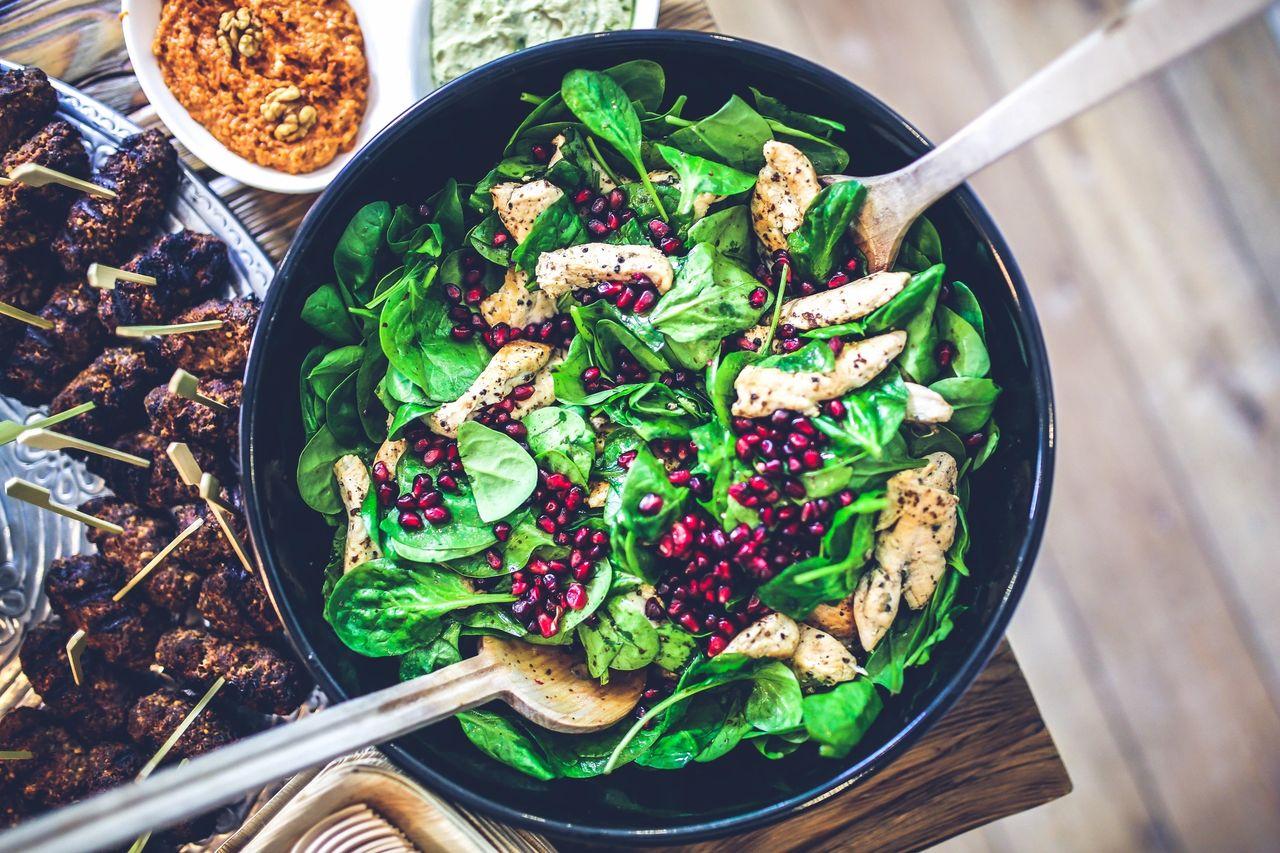
Prioritize Whole Foods: Center your diet around fresh fruits, vegetables, whole grains, lean proteins, and healthy fats. These foods are packed with nutrients that combat inflammation. Incorporate Omega-3s: Increase your intake of fatty fish (such as salmon, mackerel, and sardines), walnuts, flaxseeds, and chia seeds to harness the potent anti-inflammatory effects of omega-3 fatty acids. Choose Antioxidant-Rich Foods: Berries, dark leafy greens, and colorful vegetables contain antioxidants that neutralize free radicals and mitigate inflammation. Minimize Processed Foods: Processed foods often contain refined sugars, trans fats, and excessive sodium, all of which can contribute to inflammation. Experiment with Spices and Herbs: Turmeric, ginger, garlic, and cinnamon are renowned for their anti-inflammatory properties. Incorporate them into your dishes for added flavor and health benefits. Practice Mindful Eating: Adopting mindful eating practices can help you savor your meals, make conscious food choices, and avoid overeating, which can contribute to inflammation. Take a moment before you eat and consider a drink of water instead. Consider Fasting: Fasting for moderate periods such as with intermittent fasting is a good way to give your digestive system a rest. Fasting is known to promote health and reduce inflammation.
Inflammatory Foods to Avoid
Trans Fats: These artificial fats, commonly found in fried and processed foods, have been linked to increased inflammation and heart disease. Opt for healthier fats like those found in avocados and olive oil. Refined Sugars: High consumption of sugary foods and beverages can trigger inflammation by promoting the release of pro-inflammatory cytokines. Choose natural sweeteners like honey or opt for whole fruits. Highly Processed Foods: Processed snacks, sugary cereals, and pre-packaged meals often contain unhealthy additives and high levels of sodium, both of which contribute to inflammation. Excessive Omega-6 Fatty Acids: Omega-6 fatty acids, found in vegetable oils like soybean and corn oil, can promote inflammation when their intake outweighs that of omega-3s. Strive for a balanced ratio.
Expert Insights
Dr. Michael Greger, a physician and bestselling author, emphasizes the value of a plant-based diet in mitigating inflammation. He notes that plant-based diets are naturally rich in antioxidants, fiber, and phytochemicals that quell inflammation.
Dr. David Perlmutter, a neurologist and author, underscores the gut-brain connection. He explains that a diverse gut microbiome, fostered by an anti-inflammatory diet, positively influences brain health.
Conclusion
The benefits of anti-inflammatory diets extend beyond just reducing inflammation; they encompass a wide range of health advantages, from protecting against chronic diseases to supporting joint and brain health. Backed by research and endorsed by reputable sources, embracing an anti-inflammatory diet can be a powerful step towards enhancing overall wellness and improving the quality of life.
The wisdom shared by experts like Dr. Frank Hu, Dr. Barry Sears, and Dr. Valter Longo underscores the credibility of anti-inflammatory diets as a powerful tool against chronic inflammation. By adopting an anti-inflammatory diet and incorporating insights from leading experts such as Dr. Michael Greger and Dr. David Perlmutter, individuals can take charge of their well-being. As the science continues to unfold, embracing an anti-inflammatory diet might just be the key to unlocking a healthier, inflammation-free life.
Remember, before making any significant dietary changes, it's always advisable to consult with a healthcare professional or registered dietitian to ensure the diet aligns with your individual health needs and goals.
Footnotes
https://pubmed.ncbi.nlm.nih.gov/33153576/ https://www.arthritis.org/health-wellness/healthy-living/nutrition/anti-inflammatory/the-ultimate-arthritis-diet https://www.ncbi.nlm.nih.gov/pmc/articles/PMC9572805/ https://pubmed.ncbi.nlm.nih.gov/23670794/ https://pubmed.ncbi.nlm.nih.gov/30502975/
Tags
Share This Article
Disclaimer: The information provided in this article is for educational purposes only and is not intended as medical advice. Always consult with a qualified healthcare provider before making any decisions about your health or treatment options.